
English| EUR
Suggested for you
More currencies
Choose a language
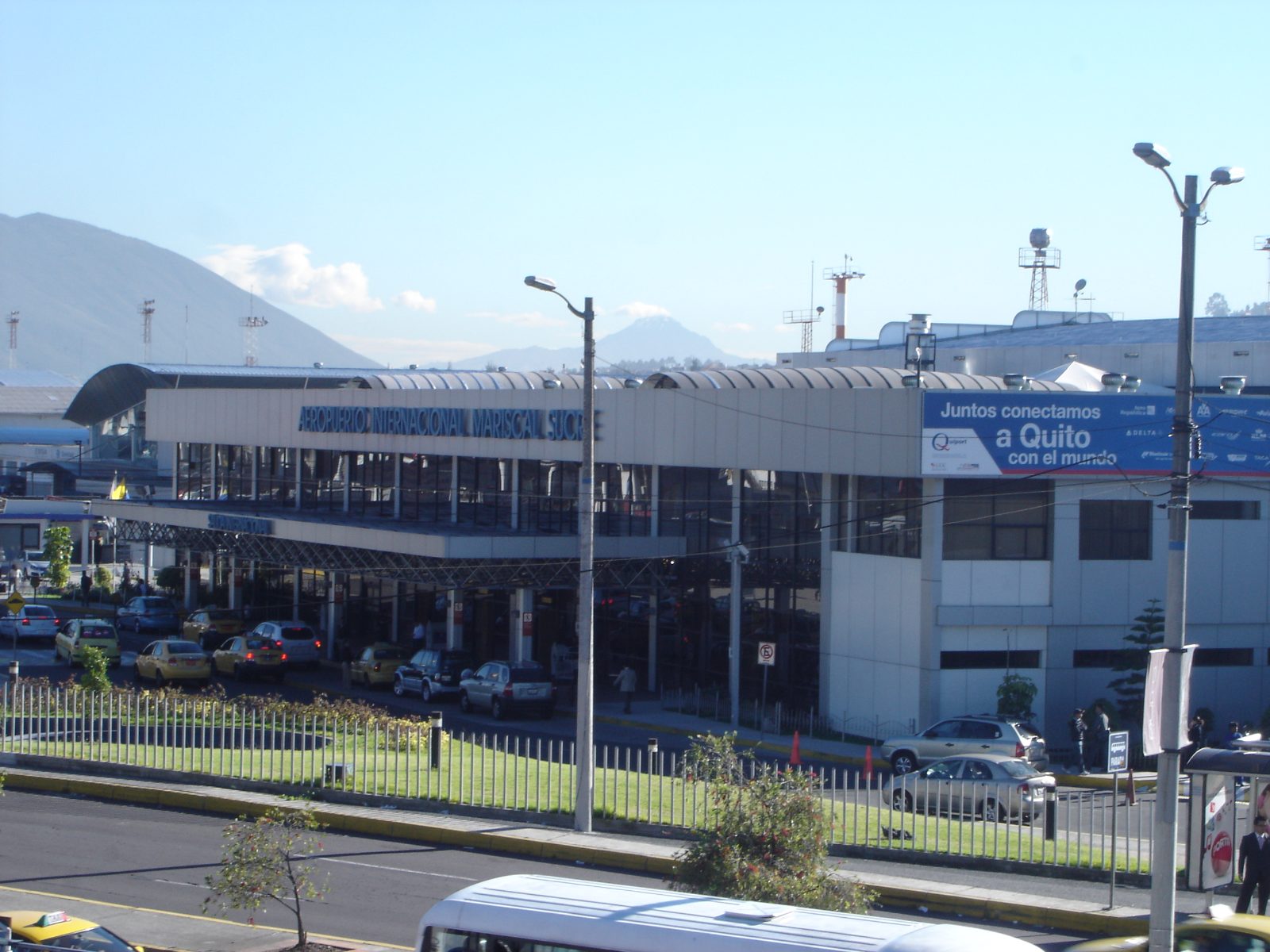
Mariscal Sucre International sits 18 kilometers east of Quito's historic center in the Tababela valley, a location chosen in 2013 to replace the old in-city airport. The distance means your choice of transport shapes both journey time and cost. This guide maps every legitimate connection between the terminal and the capital's central zones.
Quick answer
Six transport modes connect Mariscal Sucre International Airport to Quito city: public Aeroservicios buses departing every 30-40 minutes, hotel shuttles arranged through your accommodation, private transfer services bookable in advance, metered taxis from the official rank outside arrivals, ride-hailing apps including Uber and Cabify, and rental cars from desks in the baggage claim hall. Journey time ranges from 35 minutes in light traffic to over 90 minutes during peak commute windows.
Mariscal Sucre International operates 24 hours without closure, a design necessity given Quito's role as Ecuador's principal aviation gateway and the unpredictable schedules of connecting flights across South America. The terminal at Parroquia Tababela serves nearly five million passengers annually, yet ground transport infrastructure remains divided between budget-conscious public options and faster premium alternatives. The public bus system centers on Aeroservicios routes that thread through northern Quito before terminating near the historic district. These coaches depart from a dedicated platform outside the arrivals hall and accept both cash and contactless payment. Private shuttle operators and hotel services cluster near the same exit corridor, identifiable by branded signage and uniformed drivers holding passenger name cards. Taxis queue at a regulated rank managed by airport authority staff, while ride-hailing pickup occurs one level below at the departure drop-off zone to avoid terminal congestion. Timing dictates which mode makes practical sense. Morning departures between 06:00 and 09:00 face Quito's inbound commuter surge along the highway connecting Tababela to the Mariscal neighborhood. Evening return traffic heading east presents similar delays from 17:30 onward. Travelers arriving during these windows often find fixed-price transfers worth the premium over metered alternatives that accumulate surcharges in standstill traffic. The airport's higher elevation compared to the city center also means descending through microclimates, with fog common in early mornings that can extend journey times regardless of vehicle type. All transport options originate from the ground-level arrivals area, accessible immediately after clearing customs and baggage collection. Currency exchange desks and ATMs line the corridor between the customs exit and the transport zones, allowing visitors to secure Ecuadorian currency before negotiating fares or purchasing tickets. The airport's official website at aeropuertoquito.aero maintains updated route maps and operator contact details, though on-site information desks staffed from 05:00 to midnight provide real-time guidance when digital resources fall short. Knowing your destination district before exiting the terminal streamlines the selection process and prevents confusion at the dispatch points where multiple operators compete for attention.
“Mariscal Sucre International operates 24 hours without closure, a design necessity given Quito's role as Ecuador's principal aviation gateway.”
Mariscal Sucre International Airport is located in the Parroquia Tababela area, approximately 25 kilometers from Quito city center. Travelers can reach the city via public bus, authorized airport taxi services, or private transfers.
Aeroservicios bus to Parque Bicentenario
Authorized airport taxi (Cooperativa Aeropuerto) to city center
Pre-booked private vehicle service to hotel
Direct shuttle service provided by specific hotels
For the most efficient transit, coordinate your private transfer or hotel shuttle in advance. If taking a taxi, only utilize the authorized transport counters located within the arrivals hall.
Travelers deciding between transit methods must weigh the balance between direct door-to-door convenience and budget-friendly public transport. Choosing the right option depends on your arrival time, luggage volume, and comfort preference.
| Private Transfer Direct service Recommended | Public Bus Economy transit | |
|---|---|---|
| Method | Private Transfer | Public Bus |
| Approximate Duration | 60 minutes | 90 minutes |
| Cost Level | Standard | Low |
| Convenience | High | Moderate |
| Best For | Direct transport to accommodation | Budget-conscious travelers |
Verdict: Choose a private transfer for efficiency and comfort, or opt for the public bus if you prioritize minimizing travel expenses.
Transfer costs from Mariscal Sucre International Airport to downtown Quito vary depending on whether you utilize public transit or private vehicle services. Planning ahead helps you choose the option that best fits your travel budget.
How to spend less
Verdict: Expect to spend between 2 USD and 50 USD per person depending on your preferred level of comfort and privacy.
Mariscal Sucre International Airport operates on a 24-hour basis to accommodate all flight schedules. Travelers can access airport facilities at any time of day or night throughout the week.
Complete these steps before your flight lands to streamline your arrival and transfer into Quito.
Everything you need to know about how to get from quito airport to city
You can travel from the airport to the city center using public buses, private transfers, or hotel shuttles. Most travelers choose between the convenience of a pre-booked car or the cost-effectiveness of local bus lines. Planning your route in advance helps ensure a smooth arrival in Quito. Choosing the right transport depends on your budget and final destination in the metropolitan area.
Yes, public bus services operate regularly, connecting the airport terminal to various key points in the city. These services are a budget-friendly option for those comfortable navigating public transit. You can find the bus stops located just outside the main arrivals hall. Be sure to have local currency ready for your fare.
Private transfers are widely considered the most comfortable method for those carrying heavy bags or traveling in groups. By booking ahead, you secure a direct ride to your accommodation without navigating public transport hubs. This eliminates the stress of managing luggage on crowded buses. Many travelers prefer this door-to-door service for a seamless transition to the city.
Yes, numerous private transfer companies operate at the airport, offering professional drivers and comfortable vehicles. These services are typically booked in advance to guarantee a waiting driver upon your arrival. It is a reliable way to reach your hotel efficiently. This option provides peace of mind after a long flight.
Many hotels in Quito offer dedicated shuttle services for their guests to facilitate arrival. It is recommended to check with your accommodation provider before your departure to confirm availability and booking requirements. These shuttles often provide a more personalized experience than standard taxi or bus travel. Check your hotel booking details to see if this is included or available as an add-on.
The airport operates 24 hours a day, so you do not need to worry about closing times when planning your arrival. You can access ground transportation at any hour to reach the city center. The facility remains open to accommodate all flight schedules throughout the week. This flexibility allows for stress-free planning regardless of when your plane lands.